The membrane inspected while it is still a membrane, not a floor.
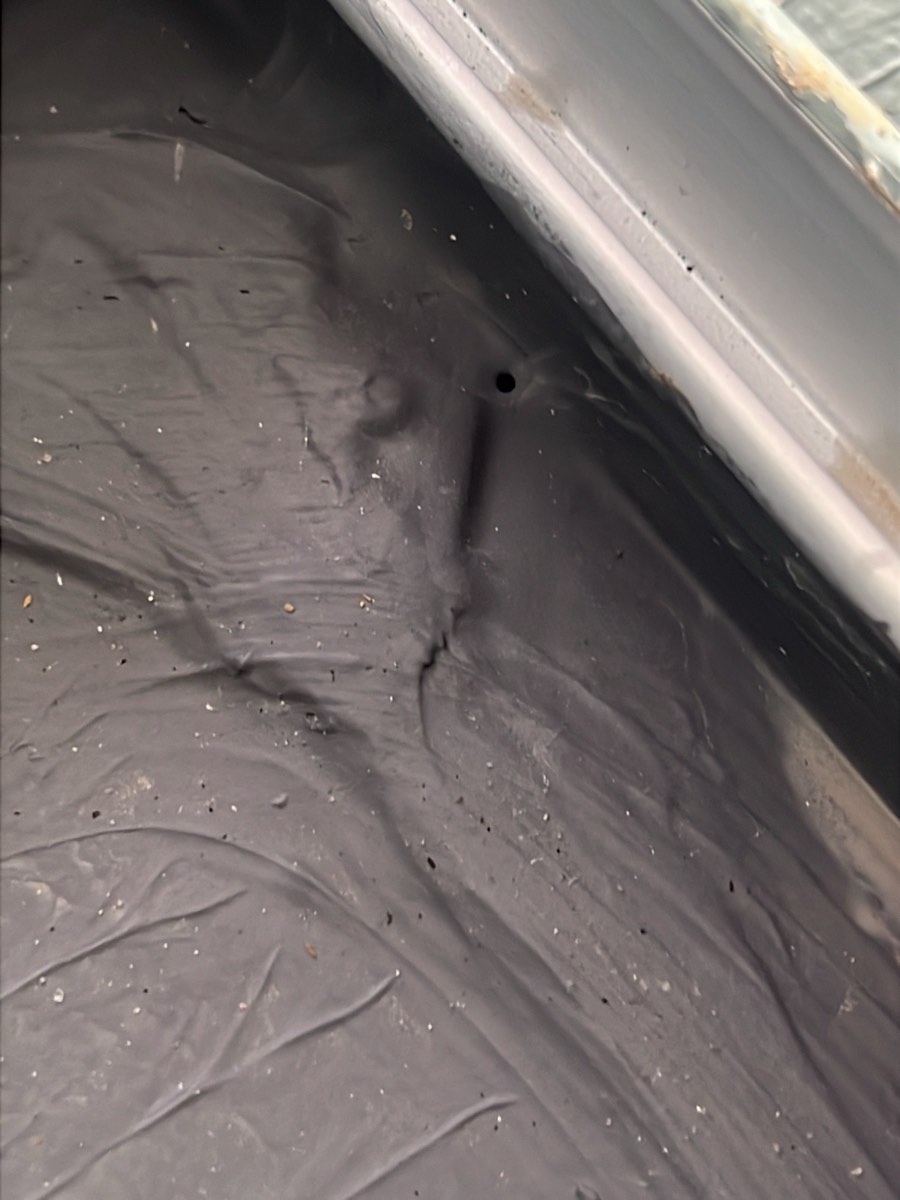
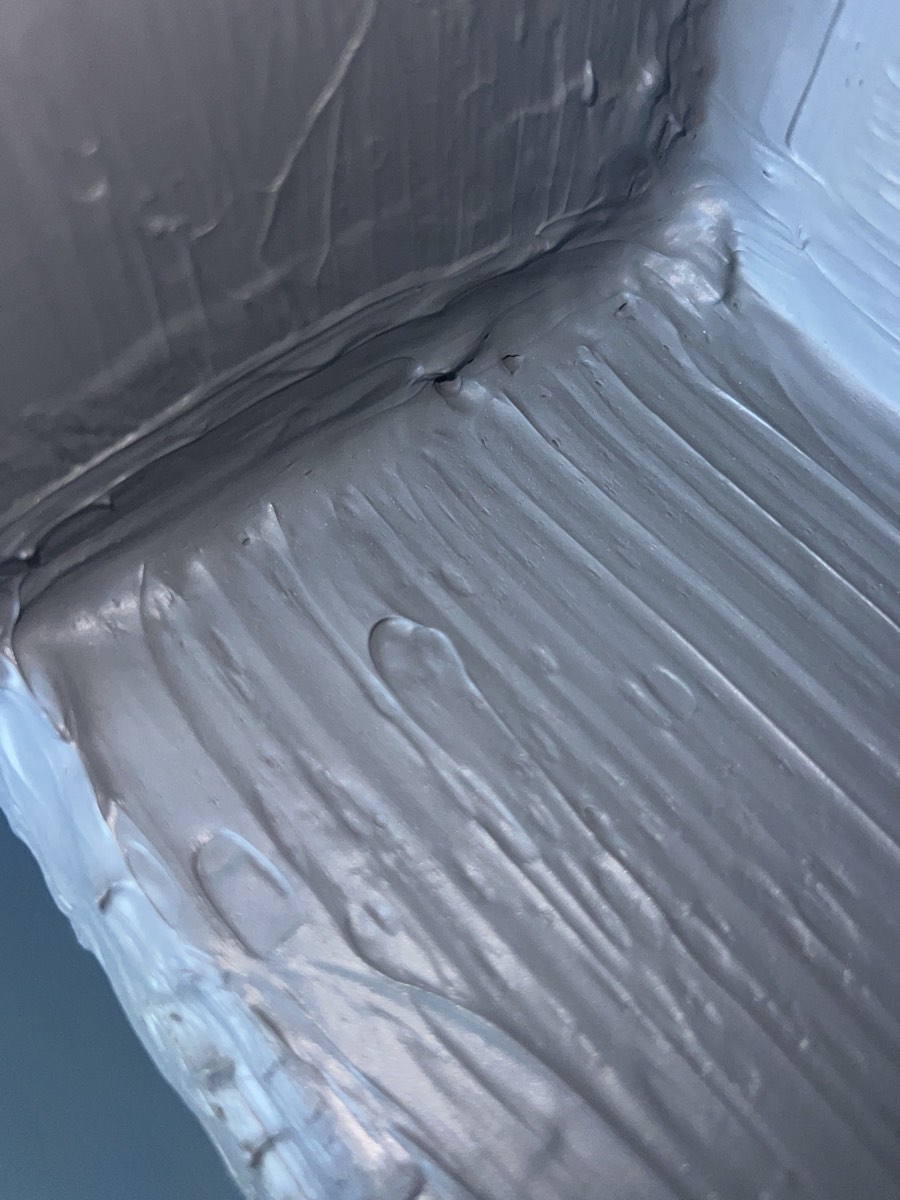
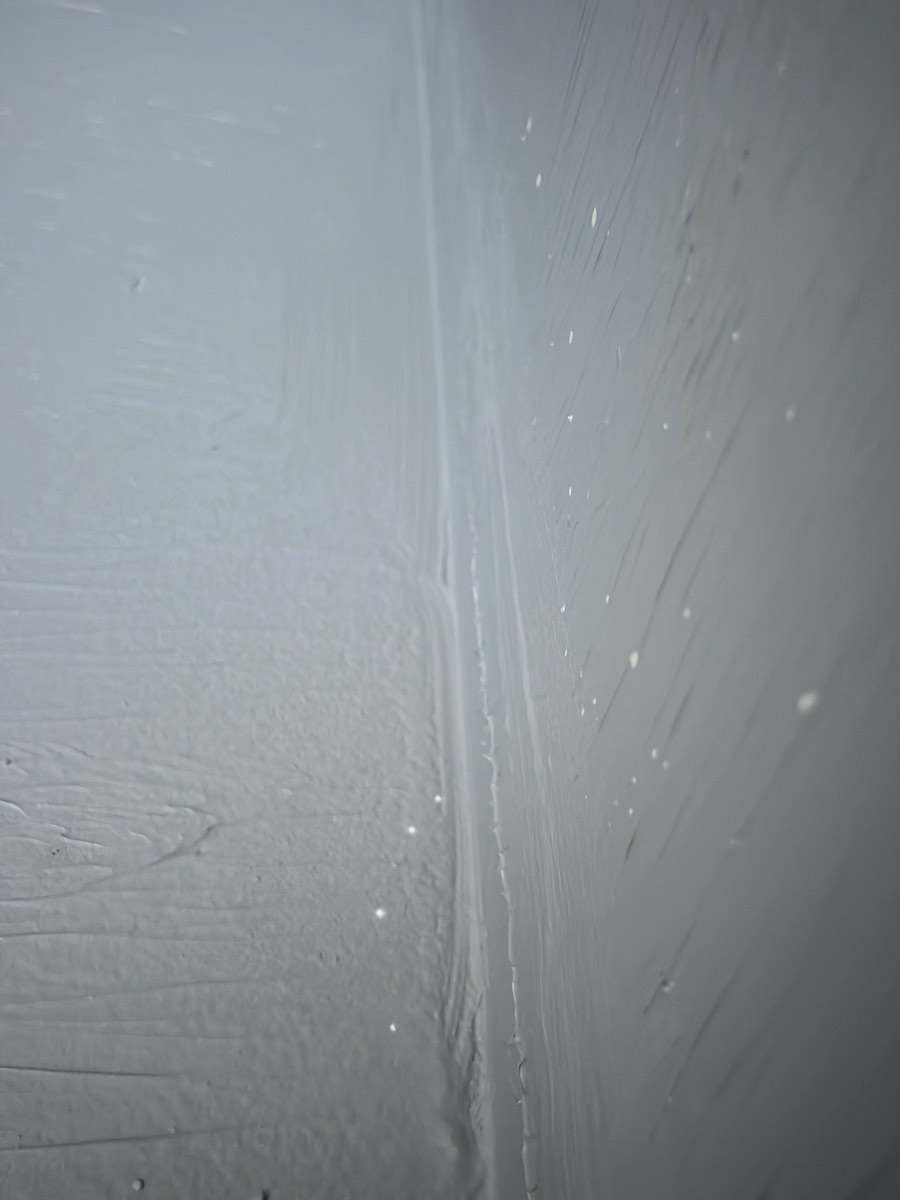
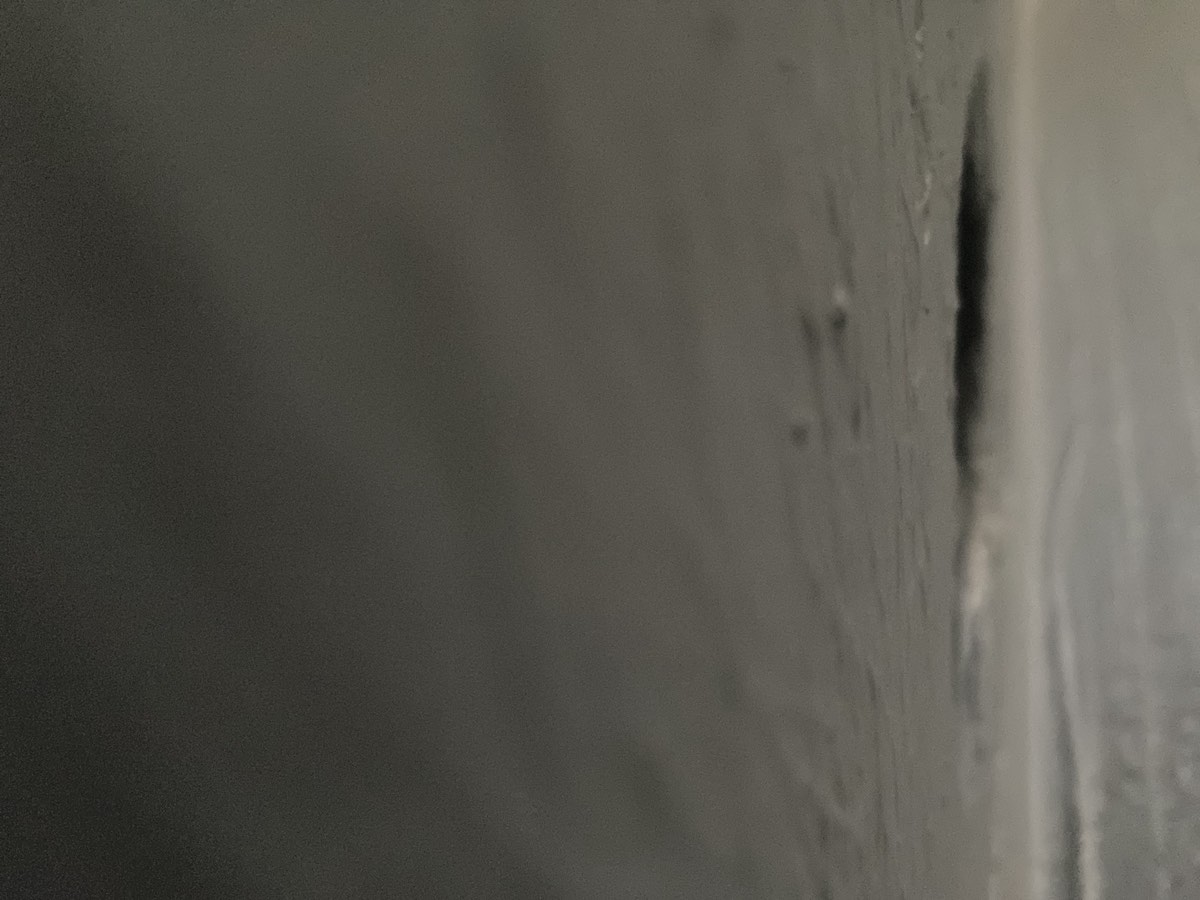
If this site has one message it is this one. Pinholes are the most common waterproofing finding we record in Box Hill, across job after job: in shower recesses, at hobs, in niches, at entries, in powder rooms. A pinhole is a break in the membrane the size of a pen tip. It survives a glance and it fails a proper look with light behind it. Add bond breakers left out of junctions, puddle flanges not sealed, screed that does not fall to the waste and terminations stopped short, and you have the whole catalogue of why wet areas fail two years after handover.
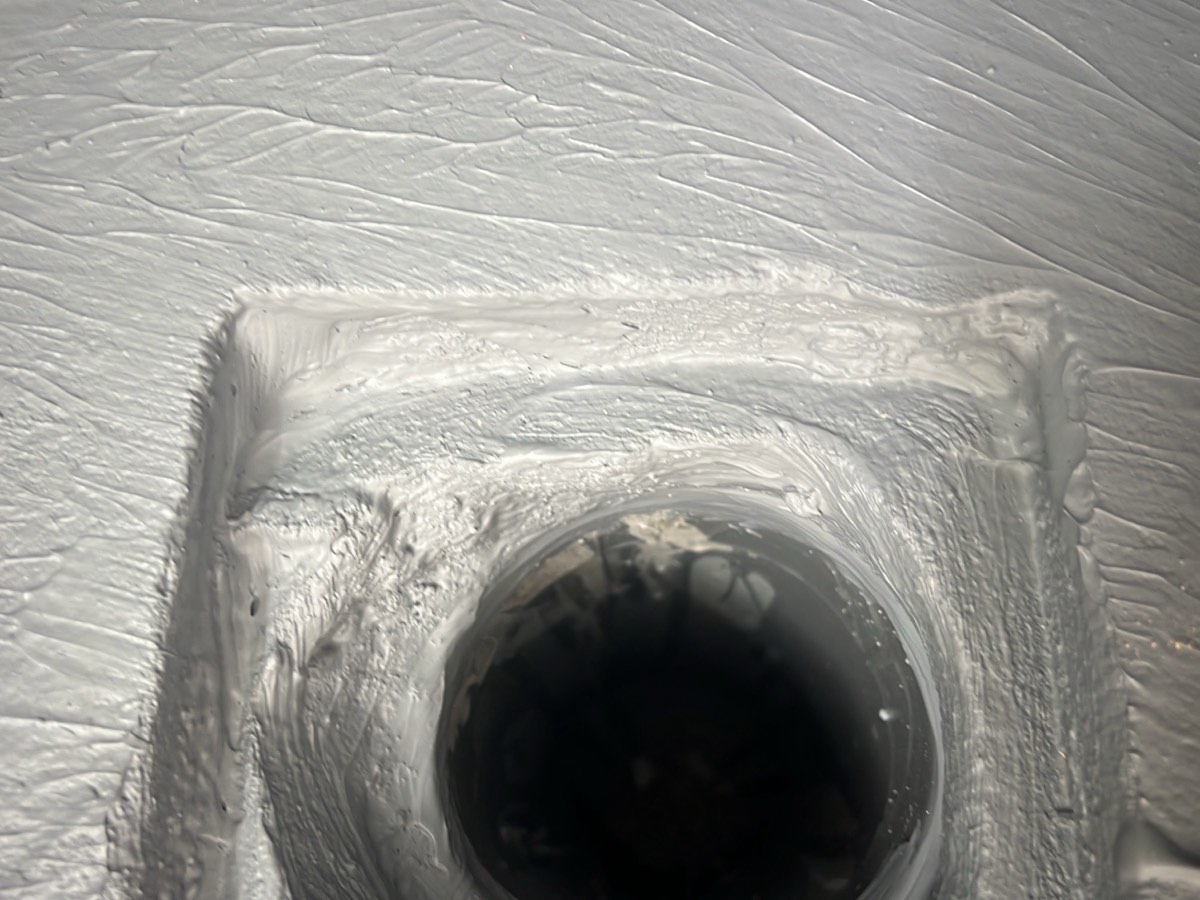
Annotated findings from Waterproofing inspections on Box Hill builds. Client addresses withheld.
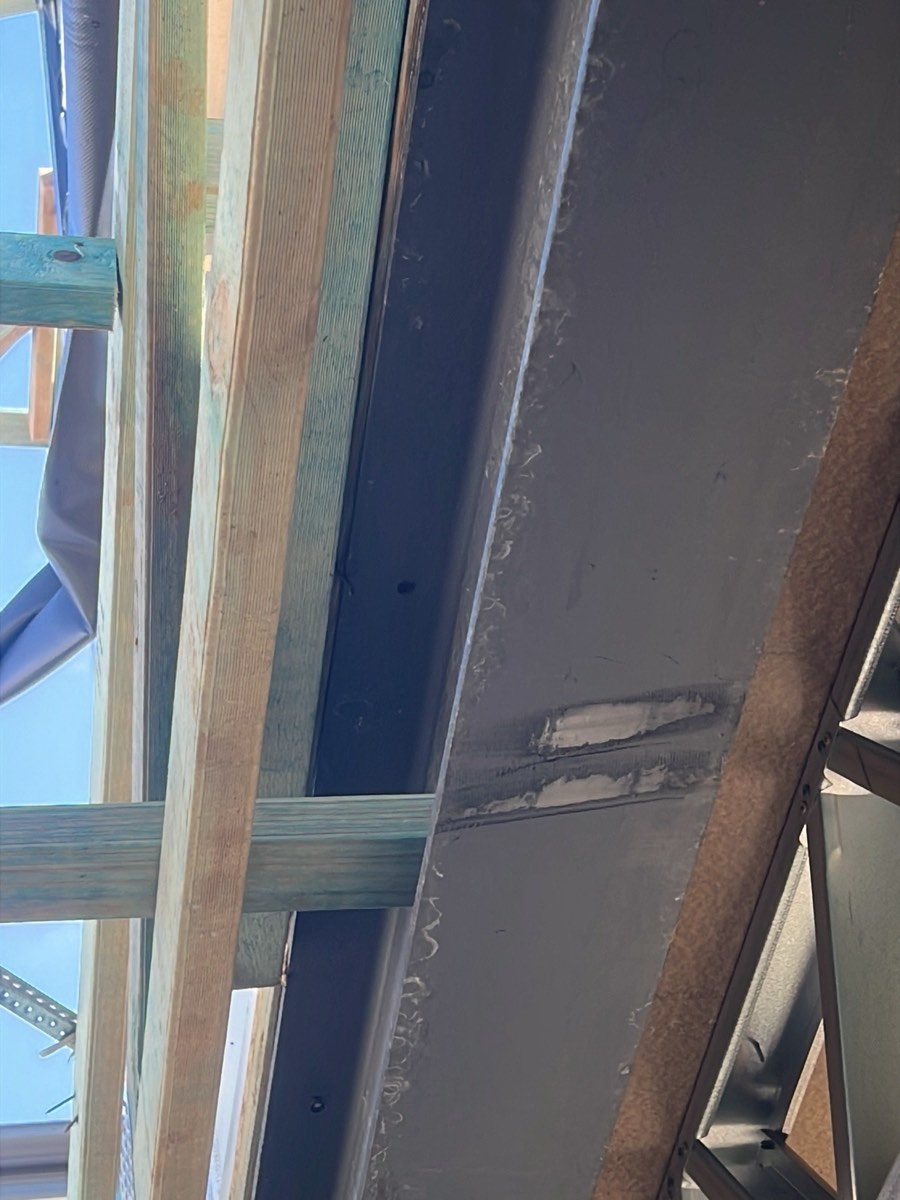 1Bored piersAfter boring and cage placement, before any concrete
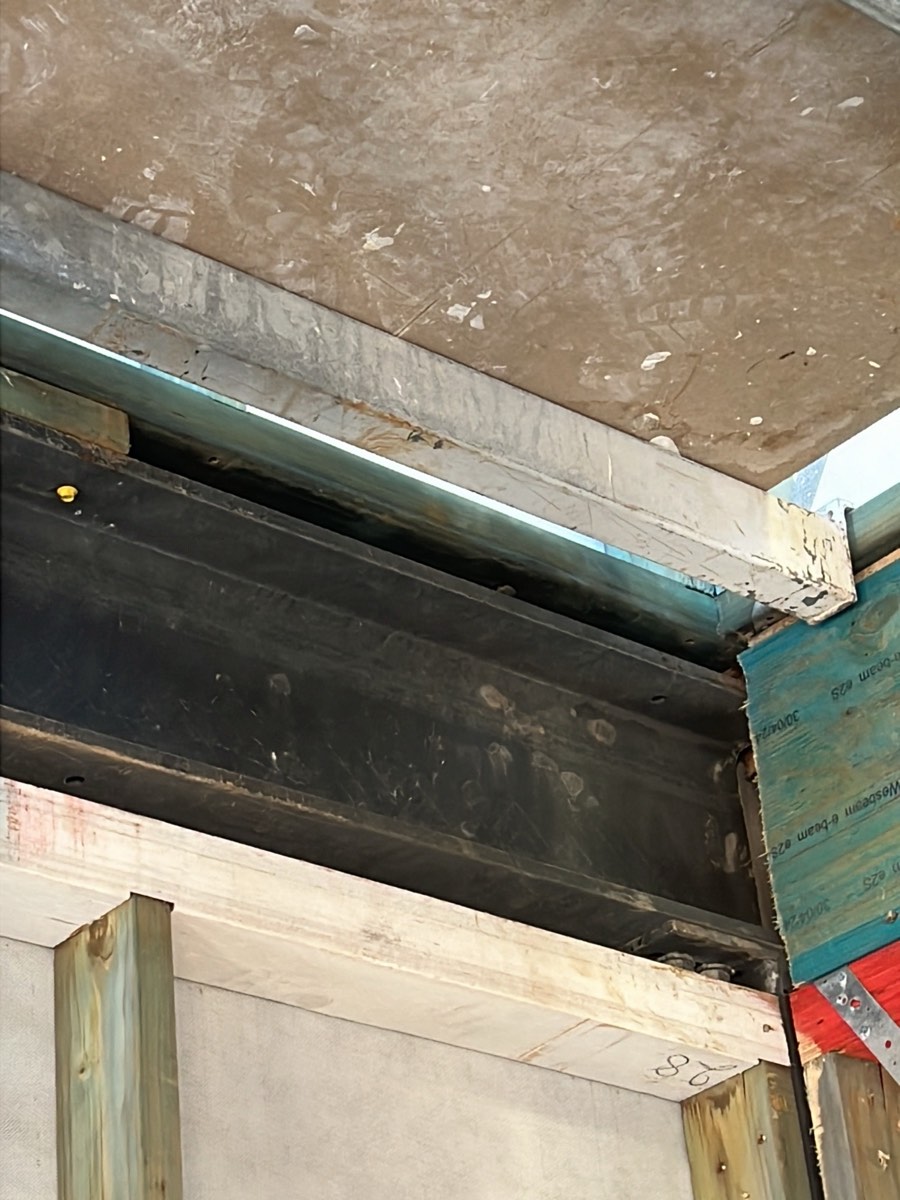 2Slab pre-pourThe day before the pour, steel and formwork complete
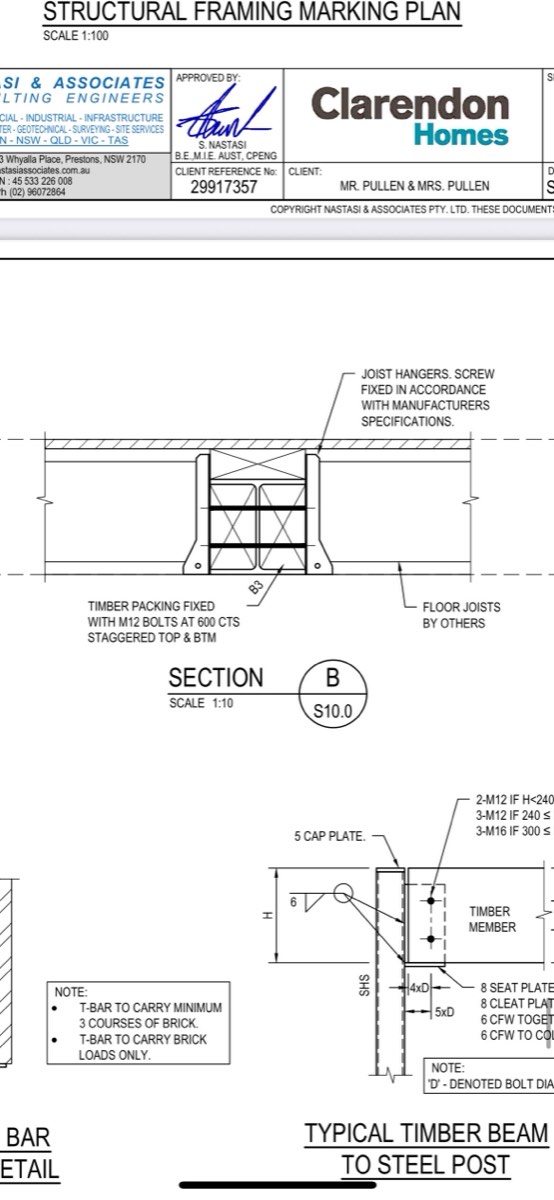 3FrameOnce frame and trusses are up and the roof is on, before lining
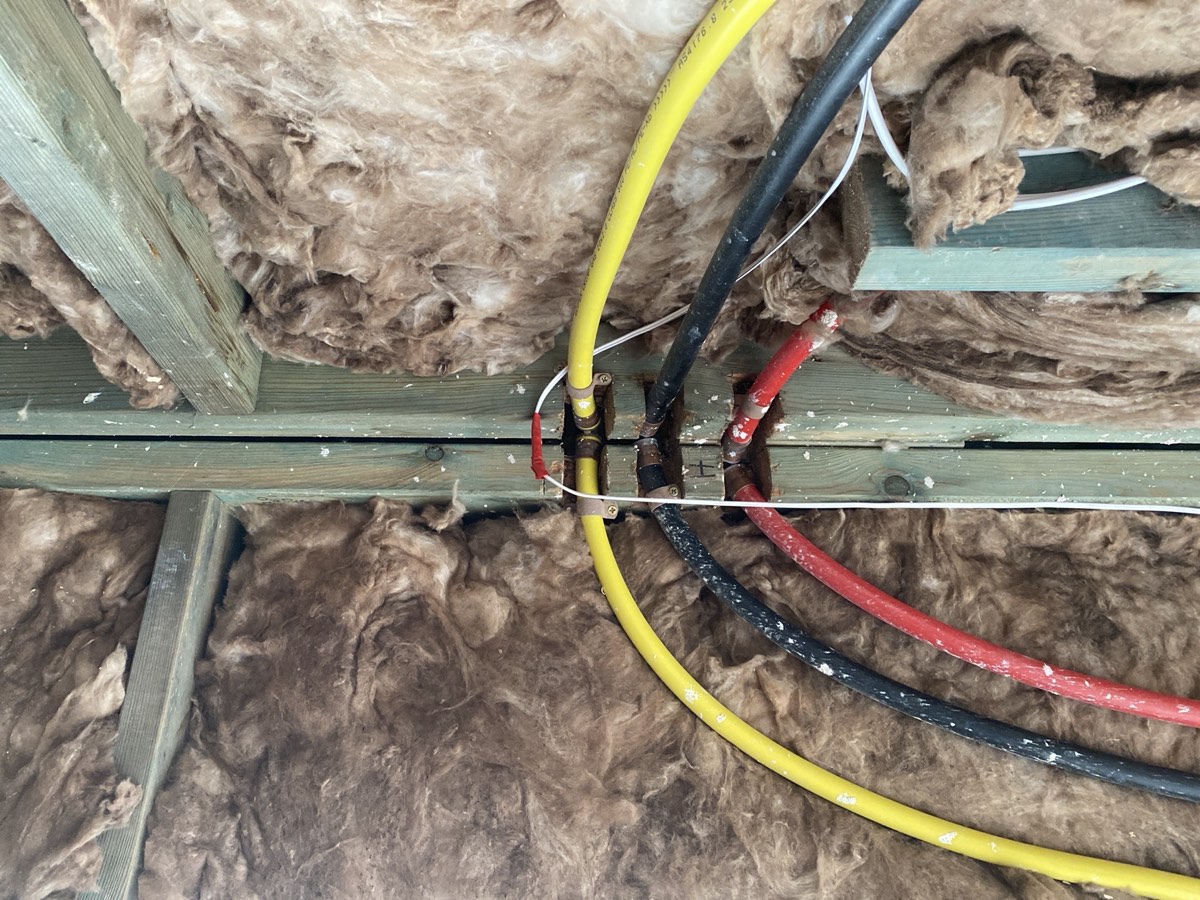 4Lock-up (pre-plaster)After roof, cladding and external doors, before plaster
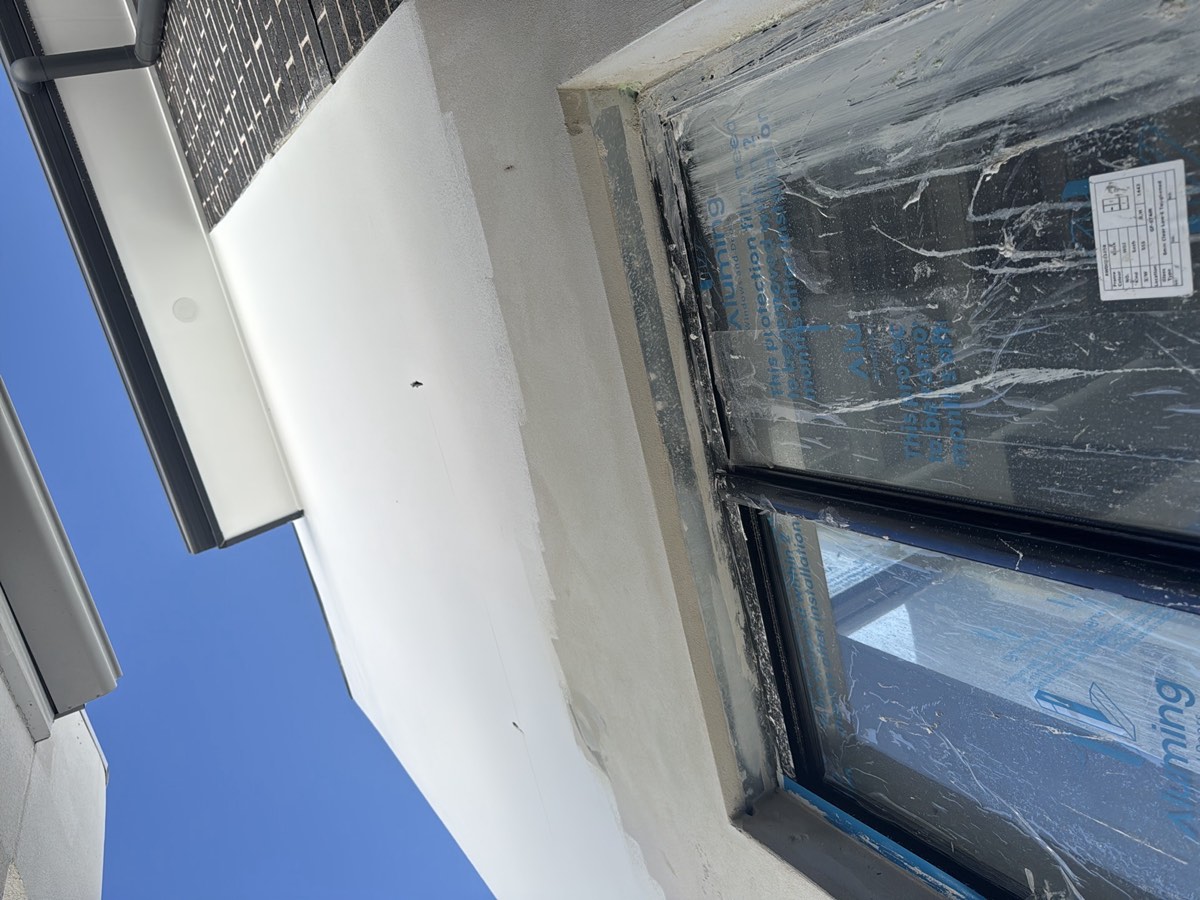 5FixingAfter mouldings, doors and joinery, before the painter
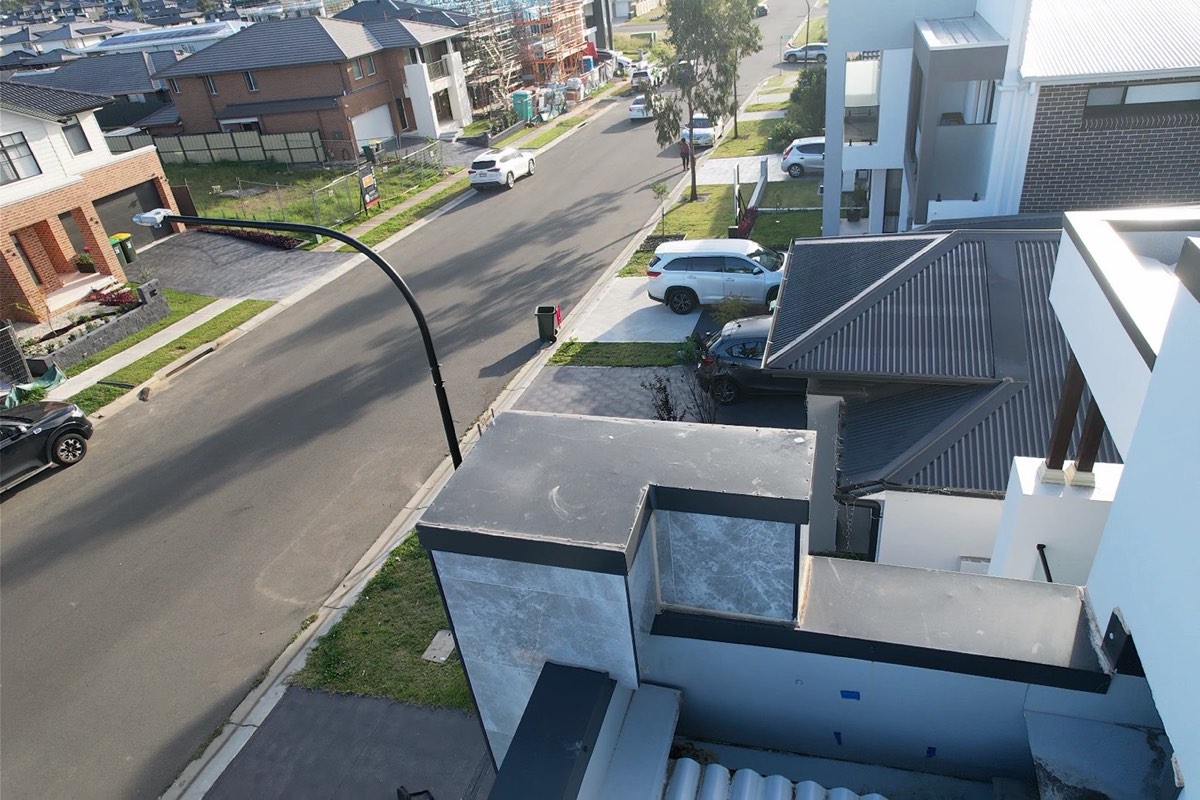 7Pre-handover (PCI)Two to three weeks before your handover date
Instant online pricing, or talk to the booking team on 1300 471 805.
A break in the applied membrane roughly the size of a pen tip, usually from a bubble in the coat or debris under it. It is a hole in a layer whose entire job is to have no holes.
Close visual inspection across the whole membrane, with light, rather than a walk through the room. It is slow and it is the reason this inspection is worth booking separately.
At a junction where two surfaces move against each other, the membrane needs to span the joint rather than be glued to both sides. Without a bond breaker the membrane is stretched at exactly the point it is most likely to tear.
AS 3740 for waterproofing of domestic wet areas, read with the National Construction Code and the ABCB Housing Provisions, alongside your contract and the Guide to Standards and Tolerances 2017.
No. A flood test is intrusive and sits with the waterproofer as part of their own procedure. We inspect visually and by hand, which is what identifies the failures listed above.
We inspect the areas still open and say plainly which were already covered and therefore not assessed. A membrane we could not see is a membrane we will not report on.